Your Brain on Kindness: What Neuroscience Is Teaching Us About Making Peace With Our Bodies

Most of us grew up in a culture that treated self-criticism like a productivity tool. Push harder. Be tougher on yourself. Don't get too comfortable. The idea that being kind to your body could be a legitimate, research-backed strategy for better health? That was basically heresy.
But the science has been quietly, persistently proving otherwise — and the findings are genuinely hard to ignore.
Neuroscientists and psychologists have spent the last two decades building a compelling case that self-compassion isn't a soft, fluffy alternative to discipline. It's a sophisticated mental skill that changes how your brain processes threat, regulates emotion, and recovers from difficulty. And for anyone on a journey toward body acceptance, that research hits differently.
What Self-Compassion Actually Means (It's Not What You Think)
Before we get into the brain stuff, let's clear something up. Self-compassion, as defined by pioneering researcher Dr. Kristin Neff at the University of Texas at Austin, has three core components: self-kindness (treating yourself the way you'd treat a good friend), common humanity (recognizing that suffering and imperfection are universal human experiences), and mindfulness (observing your thoughts and feelings without over-identifying with them).
 Photo: University of Texas at Austin, via sumfinity.com
 Photo: Dr. Kristin Neff, via c8.alamy.com
Notice what's not on that list: toxic positivity, pretending everything's fine, or ignoring real pain. Self-compassion isn't about putting a smiley face over hard feelings. It's about meeting those feelings with warmth instead of warfare.
That distinction matters enormously when we're talking about body image. A lot of us have been sold the idea that hating our bodies is somehow motivating — that if we just criticize ourselves enough, we'll eventually change. Research says that's not how it works. In fact, it's essentially the opposite of how it works.
Your Nervous System Is Listening to Everything You Say
Here's where it gets genuinely fascinating. When you engage in harsh self-criticism — especially about your body — your brain activates the same threat-response systems that would fire if you were in physical danger. The amygdala lights up. Cortisol floods your system. Your body, neurologically speaking, treats your inner critic like a predator.
Chronically high cortisol levels are linked to everything from disrupted sleep and digestive issues to anxiety, depression, and increased inflammation. So every time you look in the mirror and tear yourself apart, you're not just having a bad moment. You're putting your nervous system through a stress response.
Self-compassion practices, on the other hand, activate an entirely different system — the caregiving system, which is associated with the release of oxytocin and endorphins, reduced cortisol, and a felt sense of safety. Brain imaging studies have shown that compassion-focused practices decrease activity in the amygdala and increase connectivity in regions associated with emotional regulation, including the prefrontal cortex.
In plain English: being kind to yourself calms your brain down in a measurable, physical way.
The Rewiring Is Real
One of the most exciting things about this research is what it tells us about neuroplasticity — the brain's ability to change and adapt. We used to think the brain was basically fixed after childhood. Now we know it's remarkably responsive to repeated experience.
A 2013 study published in NeuroImage found that people trained in compassion meditation showed structural changes in brain regions linked to empathy and emotional processing after just a few weeks of practice. Other research has demonstrated that self-compassion training reduces symptoms of depression and anxiety, improves resilience in the face of failure, and — notably for the body image conversation — decreases the kind of rumination that keeps people stuck in cycles of shame.
This isn't a one-time fix. It's more like physical therapy for your nervous system. The more consistently you practice, the more those neural pathways get reinforced.
Practical Ways to Start (No Meditation Retreat Required)
You don't need to upend your life to start building this skill. Here are a few accessible entry points that are grounded in clinical self-compassion approaches:
Mindful Body Scan With a Compassionate Twist
You may have heard of body scans in the context of sleep or relaxation. A compassionate body scan takes it a step further. Lying down or sitting comfortably, slowly move your attention through different parts of your body — not to evaluate or fix anything, but simply to notice. When you land on an area that holds tension, discomfort, or complicated feelings, try placing a hand there and silently offering it something gentle: You've worked hard. I'm here. Thank you.
It can feel awkward at first. Do it anyway. The awkwardness is part of the process.
Compassionate Self-Talk in Real Time
When you catch yourself in a spiral of body criticism — whether it's after seeing a photo, trying on clothes, or just existing in your skin — try this: ask yourself, What would I say to my best friend right now? Then say that. Out loud, if you can manage it.
This isn't about lying to yourself or pretending you love everything about your body. It's about matching the tone you'd naturally offer someone you love. Most of us are dramatically kinder to other people than we are to ourselves, and this practice starts to close that gap.
The Self-Compassion Break
Developed by Dr. Neff, this is a three-step micro-practice you can do in under two minutes. When you notice you're struggling:
- Acknowledge it: This is a moment of suffering. This is hard.
- Connect it to shared humanity: I'm not the only one who feels this way. This is part of being human.
- Offer yourself kindness: Place a hand on your heart and say something warm — May I be kind to myself. May I give myself what I need.
It sounds simple because it is. Simple doesn't mean easy, and it doesn't mean it won't move you.
Why This Matters Beyond the Individual
At Body Love Conference, we talk a lot about community — about what happens when people gather to practice self-acceptance together. And there's a reason that feels powerful: compassion is contagious. Research on what's called compassion fatigue actually shows the inverse is also true — when we're depleted of self-compassion, it's harder to extend genuine care to others.
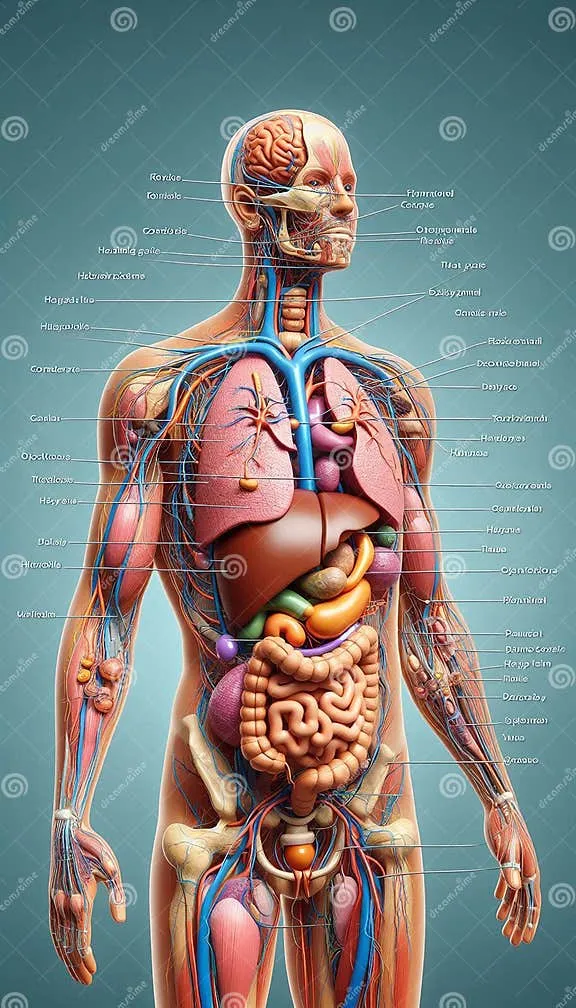 Photo: Body Love Conference, via thumbs.dreamstime.com
Building this practice isn't just personal work. It ripples outward. The more we each learn to soften toward our own bodies, the more we contribute to a culture that makes space for every body.
Your brain is not fixed. Your nervous system is not your destiny. The kindness you practice today is literally building the neural architecture for tomorrow.
That's not a metaphor. That's biology — and it's on your side.